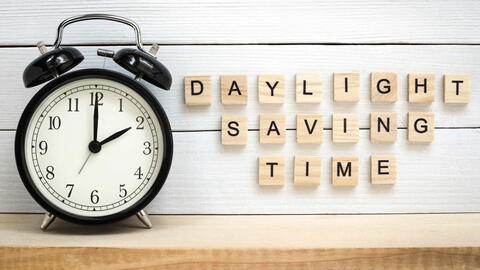
DST 2026: Navigating Sleep, Health, and Circadian Rhythm Impacts
As the calendar pages turn, the biennial ritual of Daylight Saving Time (DST) approaches once again, prompting many to ask:
When did time change 2026? For billions worldwide, these clock shifts are more than just an adjustment; they're a significant disruption to daily routines, sleep patterns, and overall well-being. While intended to maximize daylight, the impacts on our internal clocks—our circadian rhythms—are profound, often leading to a cascade of health considerations. This article delves into the specific dates for DST in 2026 and explores the critical connections between these time changes, our sleep, and our health, offering insights and tips to navigate the shifts.
When Did Time Change 2026? Key Dates for Your Calendar
For those planning ahead and wondering precisely
when did time change 2026, mark your calendars. The dates for Daylight Saving Time in 2026 vary by region, but the impact is universal for those affected.
*
United States and Canada: The "spring forward" will occur on
Sunday, March 8, 2026, when clocks advance by one hour at 2:00 a.m. local time. The "fall back" will happen on
Sunday, November 1, 2026, allowing clocks to return to standard time, granting an extra hour of sleep.
*
European Union: Residents in the EU will experience their "spring forward" later, on
Sunday, March 29, 2026. The "fall back" will then take place on
Sunday, October 25, 2026.
Globally, over 70 countries observe DST, affecting more than 1.5 billion people. However, it's worth noting that not all regions participate. Parts of the United States, such as Hawaii and most of Arizona, along with U.S. territories like American Samoa, Guam, the Northern Mariana Islands, and the U.S. Virgin Islands, do not implement DST. This varied observance highlights the ongoing debate and diverse perspectives on the practice. For a comprehensive look at global observances, you can refer to our detailed guide:
Daylight Saving Time 2026: Global Dates and What to Expect.
The Core of DST: Saving Daylight (and the Debates)
At its heart, Daylight Saving Time is a practice designed to "save" natural light by setting clocks forward one hour, effectively shifting an hour of daylight from the morning to the evening. The primary aim is to provide more usable daylight during waking hours, particularly for evening activities, and historically, it was linked to conserving energy. Most of the United States has officially observed DST since 1966, cementing it as a deeply ingrained aspect of modern life.
However, the rationale behind DST is continually scrutinized. While proponents originally cited energy savings and economic benefits, modern research often challenges these claims, suggesting that any energy conserved might be offset by increased heating or air conditioning usage in different parts of the day. The debates extend beyond energy, touching upon agricultural practices, transportation, and societal well-being. As societies evolve, the question of "why we change clocks" becomes more complex, prompting ongoing discussions about the actual benefits versus the undeniable disruptions. For a deeper dive into the historical context and the ongoing debates, explore:
Daylight Saving Time 2026: Why We Change Clocks & How to Prepare.
Circadian Rhythms Under Threat: How DST Impacts Your Health
While the convenience of longer evenings is often lauded, the impact of DST on human health, particularly our sleep and internal biological clocks, cannot be overstated. Humans, like most mammals, are profoundly guided by
circadian rhythms—these are 24-hour cycles that regulate not only our sleep-wake patterns but also crucial bodily functions such as appetite, mood, hormone release, and body temperature. The most powerful synchronizer for these rhythms is natural light exposure.
The "Spring Forward" Challenge: A Disruption to Our Biological Clocks
The "spring forward" in March, when we lose an hour of sleep, is notoriously the more challenging transition. Setting clocks forward one hour at 2:00 a.m. abruptly alters our exposure to natural light. This shift can throw our natural sleep-wake cycle into disarray, interfering with our ability to feel alert in the morning and sleepy at night.
*
Sleep Loss and Debt: Studies have shown that the average person receives approximately 40 minutes less sleep during the spring forward transition. This immediate sleep loss can contribute to
sleep debt, the cumulative effect of not getting enough sleep over days or weeks. Chronic sleep debt can severely impact cognitive function, productivity, and overall mood.
*
Health Risks: Sleep experts have documented troubling trends following the spring transition. There are reported upticks in heart problems, including heart attacks, as the body struggles to adjust. Mood disorders can also be exacerbated, and some studies even suggest an increased risk of suicide around these periods.
*
Safety Concerns: The disruption to sleep patterns and increased fatigue can also lead to a rise in motor vehicle collisions, highlighting the public safety implications of even a one-hour shift.
*
Insomnia Symptoms: For some individuals, the sudden change can trigger or worsen symptoms of
insomnia, making it difficult to fall asleep or stay asleep as their body tries to recalibrate.
The "Fall Back" Benefit (with Caveats)
Conversely, the "fall back" in November, when we gain an hour, is generally perceived as easier. Many welcome the extra hour of sleep, providing a temporary reprieve from accumulated sleep debt. For most, major sleep disruptions are less likely. However, it's not without its challenges. Some people still find it difficult to adjust to a new wake-up time, and the earlier onset of darkness in the evenings can also affect mood and energy levels for those sensitive to light exposure, potentially contributing to seasonal affective disorder (SAD) symptoms for a vulnerable population.
Strategies for a Smoother DST Transition
Given the documented health impacts, preparing for both the "spring forward" and "fall back" changes is crucial. Proactive measures can help your body adjust more smoothly, minimizing the disruption to your circadian rhythm and overall well-being.
*
Gradual Adjustment: Instead of making an abrupt change, try shifting your sleep schedule by 15-20 minutes earlier (for spring forward) or later (for fall back) each night in the days leading up to the clock change. This incremental approach allows your body to adapt more gently.
*
Optimize Light Exposure: Light is the most powerful cue for your circadian rhythm. In the days leading up to and following the spring forward, expose yourself to bright natural light early in the morning to help reset your internal clock. Conversely, for the fall back, try to maximize morning light and reduce bright light exposure in the evenings.
*
Maintain a Consistent Sleep Schedule: Stick to a regular bedtime and wake-up time, even on weekends, as much as possible. This consistency reinforces your body's natural rhythm.
*
Create a Relaxing Bedtime Routine: Wind down before bed with activities like reading, taking a warm bath, or meditating. Avoid screens (phones, tablets, computers) for at least an hour before sleep, as blue light can suppress melatonin production.
*
Prioritize Sleep Hygiene: Ensure your bedroom is dark, quiet, and cool. Invest in comfortable bedding. Avoid heavy meals, caffeine, and alcohol close to bedtime.
*
Physical Clock Checks: Remember to update any manual clocks around your home, as digital devices usually adjust automatically. This is also an excellent opportunity to check your smoke detectors and carbon monoxide alarms, replacing batteries if needed.
*
Plan for Meetings and Appointments: If you have early morning commitments around the time change, double-check times to avoid confusion, especially for international meetings.
Conclusion
As we look ahead to
When did time change 2026, it's clear that Daylight Saving Time continues to be a complex issue, balancing perceived benefits with tangible health impacts. While the dates are set for March 8th and November 1st in the U.S. and Canada, and March 29th and October 25th in the EU, the real challenge lies in navigating the inherent disruption to our delicate circadian rhythms. By understanding these impacts and proactively implementing strategies to ease the transition, we can better protect our sleep, health, and overall well-being. Preparing for these shifts isn't just about updating clocks; it's about safeguarding our internal biology in a world that constantly changes around us.