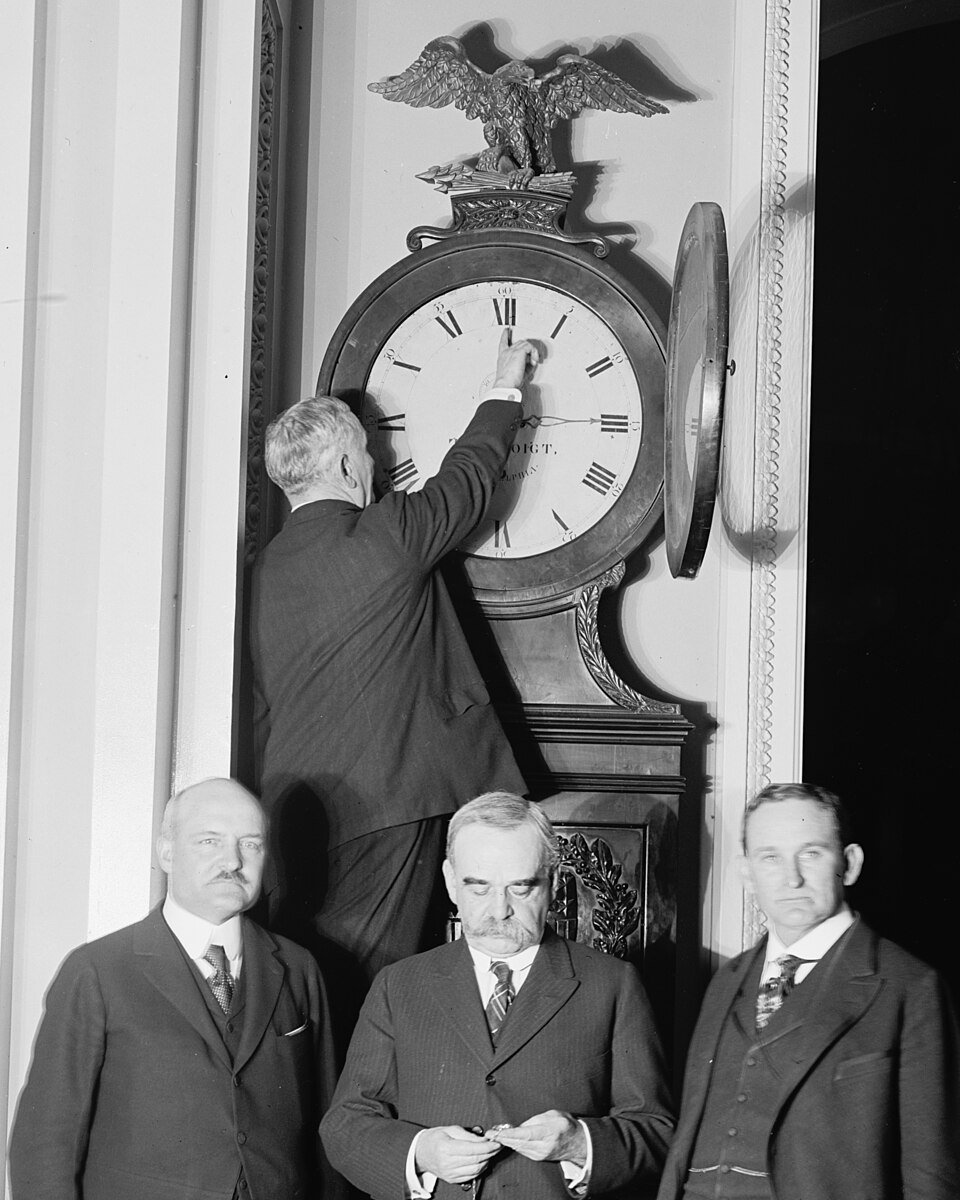
Daylight Saving Time 2026: Why We Change Clocks & How to Prepare
As the calendar pages turn, many of us will once again prepare for the annual ritual of adjusting our clocks for Daylight Saving Time (DST). This seemingly simple act of "springing forward" or "falling back" has a surprisingly profound impact on our daily lives, from our sleep patterns to our schedules. For 2026, understanding the specific dates and preparing effectively can make the transition much smoother. Let's delve into when did time change 2026, why we still observe DST, and how you can best navigate the upcoming shifts.
Key Dates for Daylight Saving Time 2026
The time change in 2026 will follow established patterns in most regions that observe Daylight Saving Time. While over 70 countries globally, impacting more than 1.5 billion people, participate in this practice, the specific dates vary significantly by continent and country. For those in North America and Europe, here are the crucial dates to mark on your calendar:
- United States & Canada:
- Spring Forward: Sunday, March 8, 2026 (Clocks move forward one hour at 2:00 a.m. local time)
- Fall Back: Sunday, November 1, 2026 (Clocks move back one hour at 2:00 a.m. local time)
- European Union:
- Spring Forward: Sunday, March 29, 2026 (Clocks move forward one hour at 1:00 a.m. UTC, affecting various local times)
- Fall Back: Sunday, October 25, 2026 (Clocks move back one hour at 1:00 a.m. UTC, affecting various local times)
Remember that the change often occurs at 2:00 a.m. local time for the spring forward, meaning the hour from 2:00 a.m. to 3:00 a.m. simply vanishes. For the fall back, that hour returns, effectively making 2:00 a.m. happen twice. While many digital devices automatically adjust, it's always wise to double-check and manually update any analog clocks.
The Rationale Behind Clock Changes: Saving Daylight
At its core, Daylight Saving Time is the yearly practice of setting clocks forward by one hour to shift daylight from the morning to the evening during warmer months. The fundamental idea is to adjust our daily schedules to better align with natural light, maximizing daylight hours when most people are awake and active. Proponents argue that this practice effectively "saves" natural light, hence the name.
The concept of DST isn't new; it has roots dating back over a century, with its modern implementation largely driven by energy conservation efforts during wartime. The thinking was that by shifting an hour of daylight to the evening, people would use less artificial lighting, thereby saving energy. While the energy-saving benefits have been a subject of ongoing debate and research, the practice persists in many parts of the world.
Most of the United States has officially observed DST since 1966. However, it's important to note that not all regions participate. Hawaii, certain areas of Arizona, and U.S. territories like American Samoa, Guam, the Northern Mariana Islands, and the U.S. Virgin Islands do not implement DST, remaining on Standard Time year-round.
Beyond the Clock: Health and Lifestyle Impacts of DST
While the goal of DST is to optimize daylight, its impact extends far beyond just adding an extra hour of light to our evenings. Sleep experts and health professionals have increasingly documented significant health and lifestyle implications, particularly during the "spring forward" transition. Adjusting the time by a single hour may not seem drastic, but for our bodies, it can be a considerable jolt.
Disrupting Circadian Rhythms and Sleep Health
Humans, like most living organisms, are guided by internal 24-hour cycles known as circadian rhythms. These rhythms regulate crucial bodily functions such as sleep-wake cycles, appetite, mood, and hormone release. They are primarily synchronized by exposure to natural light and darkness. When clocks abruptly change, especially in the spring, our exposure to natural light shifts, creating a misalignment with our internal body clock.
The "spring forward" is particularly challenging because it often results in one less hour of sleep. Studies have shown that the average person can lose approximately 40 minutes of sleep during this transition. This can lead to what is known as sleep debt – the cumulative effect of not getting enough sleep over a period. Symptoms of circadian misalignment and sleep debt include:
- Increased fatigue and decreased alertness
- Difficulty concentrating
- Irritability and mood disturbances
- Symptoms of insomnia, such as difficulty falling or staying asleep
While the "fall back" in November generally offers an extra hour of sleep, which many welcome, some individuals still struggle to adjust to the new wake-up and sleep times, experiencing similar, albeit often less severe, disruptive effects.
Documented Health Concerns and Risks
Beyond general discomfort, research has identified more serious health trends associated with the bi-annual clock changes:
- Cardiovascular Issues: Studies have observed upticks in heart problems, including an increased risk of heart attacks, in the days following the spring time change.
- Mood Disorders: There's evidence of a rise in mood disturbances and even an increase in suicide rates shortly after both clock changes, suggesting that the disruption impacts mental well-being.
- Motor Vehicle Collisions: The sleep deprivation and altered alertness caused by the spring forward can contribute to an increase in traffic accidents. Conversely, some research suggests DST might reduce certain traffic accidents as more people drive home from work in daylight.
- Productivity and Accidents at Work: Sleep-deprived individuals may be less productive and more prone to accidents in the workplace.
Practical Preparation for the Time Change 2026
Given the documented impacts of Daylight Saving Time, proactive preparation can significantly ease the transition, especially for the spring forward. Here are some actionable tips to help you and your family adjust seamlessly when time changes in 2026:
- Gradually Adjust Your Sleep Schedule:
- For "spring forward," start shifting your bedtime and wake-up time by 15-20 minutes earlier each day for a few days leading up to March 8th (or March 29th in the EU).
- For "fall back," you can either embrace the extra hour or gradually shift your schedule later by 15-20 minutes to maintain consistency.
- Optimize Your Sleep Environment:
- Ensure your bedroom is dark, quiet, and cool. Use blackout curtains to block out unwanted morning light after the spring forward.
- Avoid screens (phones, tablets, computers) at least an hour before bedtime, as the blue light can interfere with melatonin production.
- Harness Natural Light Exposure:
- Expose yourself to bright natural light first thing in the morning, especially after the spring forward. This helps reset your circadian rhythm.
- Minimize bright light exposure in the evenings before bed.
- Update Your Clocks and Devices:
- While smartphones and computers usually update automatically, manually adjust any wall clocks, wristwatches, or car clocks the night before the change. This prevents confusion on Sunday morning.
- Check and Replace Smoke Detector Batteries:
- The bi-annual time changes are an excellent reminder to perform essential home safety checks. Take a few minutes to test your smoke detectors and carbon monoxide alarms. If they use replaceable batteries, change them, even if they seem to be working. It's a simple, life-saving habit.
- Plan for Meetings and Appointments:
- If you have early morning meetings, appointments, or travel plans on the day of or immediately following the time change, double-check your schedule. Time zones can become a point of confusion, especially if you're coordinating with people in different regions or countries.
- Maintain Healthy Habits:
- Stick to a regular exercise routine, but avoid intense workouts close to bedtime.
- Maintain a balanced diet and limit caffeine and alcohol, especially in the afternoon and evening.
Global Perspective and Ongoing Debates
The observance of Daylight Saving Time isn't universal. While more than 70 countries embrace it, many others do not, and even within observing nations, debates continue to rage. Arguments often center on whether the initial benefits, such as energy savings, truly materialize in the modern era, or if they are outweighed by the documented negative health impacts and economic disruptions. Some European Union countries, for instance, have discussed ending the practice altogether. For a more comprehensive look at global dates and regional variations, you can refer to our detailed guide: Daylight Saving Time 2026: Global Dates and What to Expect.
Conclusion
Daylight Saving Time in 2026, with its "spring forward" on March 8th (or March 29th in the EU) and "fall back" on November 1st (or October 25th), remains a significant annual event for a large portion of the global population. While its original intent was to save energy and harness daylight, its continued practice sparks considerable debate regarding its actual benefits versus its documented impacts on public health, particularly sleep and circadian rhythms. By understanding when did time change 2026 and implementing simple, proactive strategies for adjusting your routine, you can navigate these transitions more smoothly and minimize potential disruptions to your well-being.